
总 机: 直线 0512-53523886 53521956
E-mail: szts@sbaz.cn, kun@sbaz.cn
地 址: 太仓市城厢镇银川路39号

On December 27, as a member of the Integrated Fast Reactor Innovation Consortium, I visited the Huludao site of the China Institute of Atomic Energy and fully participated in the 2nd Nuclear Technology Innovation and Development Conference and the 3rd Meeting of the Integrated Fast Reactor Innovation Consortium. The site brimmed with a warm atmosphere in winter, filling me with confidence in the development of China’s fast reactor industry and the implementation of the three-step nuclear energy strategy.
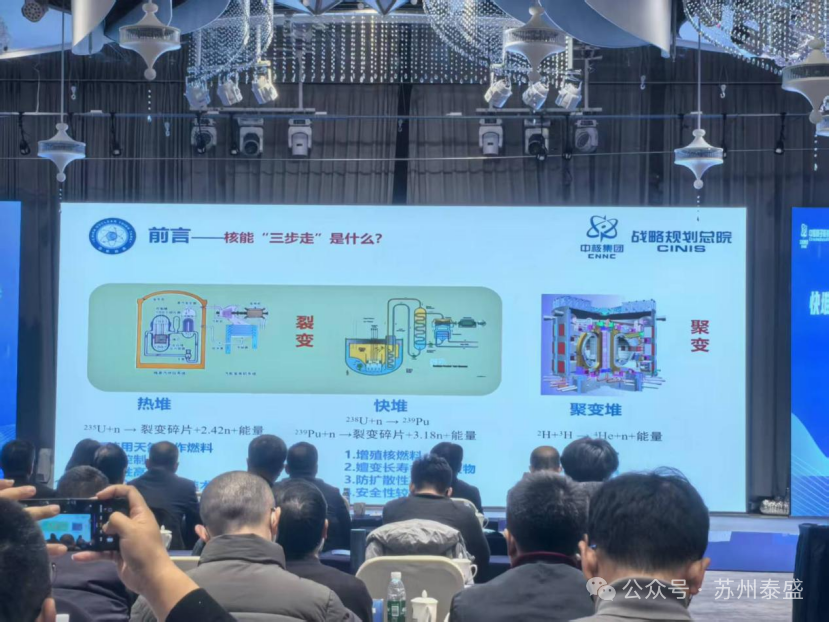
Centered on the theme of "Advancing nuclear science and technology innovation, boosting Northeast China revitalization and empowering energy transition", the conference gathered over 300 participants, including leaders from higher authorities, CNNC teams, academicians of the Chinese Academy of Sciences and Chinese Academy of Engineering, and representatives from all consortium members. This cross-sector assembly demonstrates the organizational capacity of the new whole-of-nation system in nuclear science and technology.
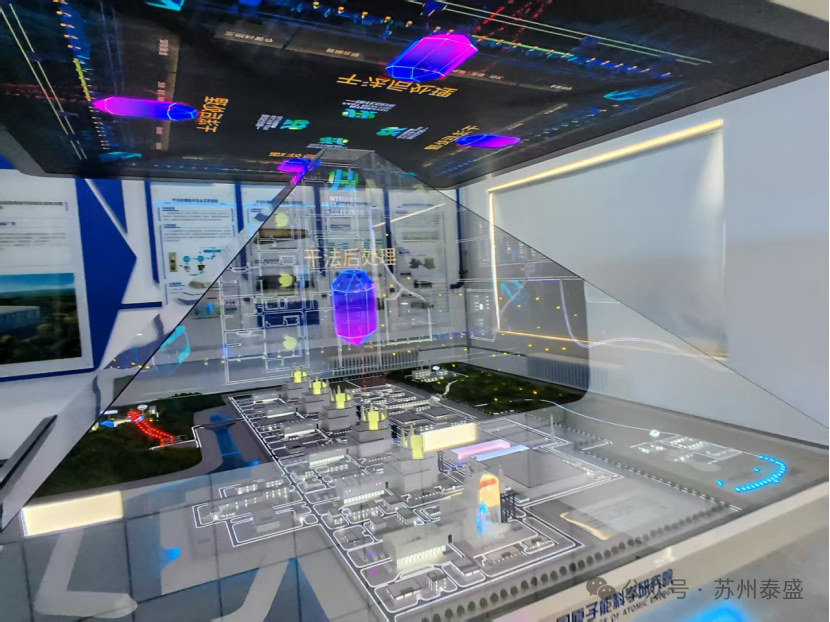
At the opening of the conference, a series of important announcements were made. Huang Ping, Secretary-General of the China Atomic Energy Authority, defined the strategic pivot role of the Huludao site. The Deputy General Manager of CNNC introduced that site construction accelerated in 2025. Key tests such as dry processing for the integrated fast reactor were completed, nuclear emergency and security facilities were put into operation, and a major national project was approved ahead of schedule. Yang Junsheng, Secretary of the Huludao Municipal Party Committee, elaborated on the development framework of "one center, five bases and two demonstrations" for the nuclear industry and clarified the prospects for central-local coordination.
During the core session, the Lingxiao Laboratory and the Joint Laboratory for Accelerator Technology and Application were officially inaugurated, building a solid platform for nuclear technology innovation and industry-university-research integration. Afterwards, our organization signed the second batch of memorandums of understanding on joint R&D tasks with China First Heavy Industries and Harbin Electric Corporation. Powered by the synergy of "strengthening core capabilities and extensive collaboration", we are speeding up breakthroughs in key core technologies of integrated fast reactors.
The session of special reports delivered abundant valuable insights. The report from the China Institute of Atomic Energy illustrated the transformation of site construction from blueprints to reality. The acting mayor of Huludao outlined the plan for the nuclear industrial cluster. Academicians shared technical insights and expectations in their remarks. The chief designer of the integrated fast reactor summarized research achievements. Key breakthroughs in metal fuel equipment, dry-process main process equipment, liquid metal sodium coolant and more have strengthened confidence in achieving the goal of completing the demonstration project by 2035.
During breaks at the conference, experts noted the core advantages of integrated fast reactors: their resource utilization rate is 60 times that of conventional pressurized water reactors, and they can greatly reduce the impact of nuclear waste. Enterprise representatives pledged to fully promote the commercialization of technical achievements, further strengthening confidence in collaborative research.
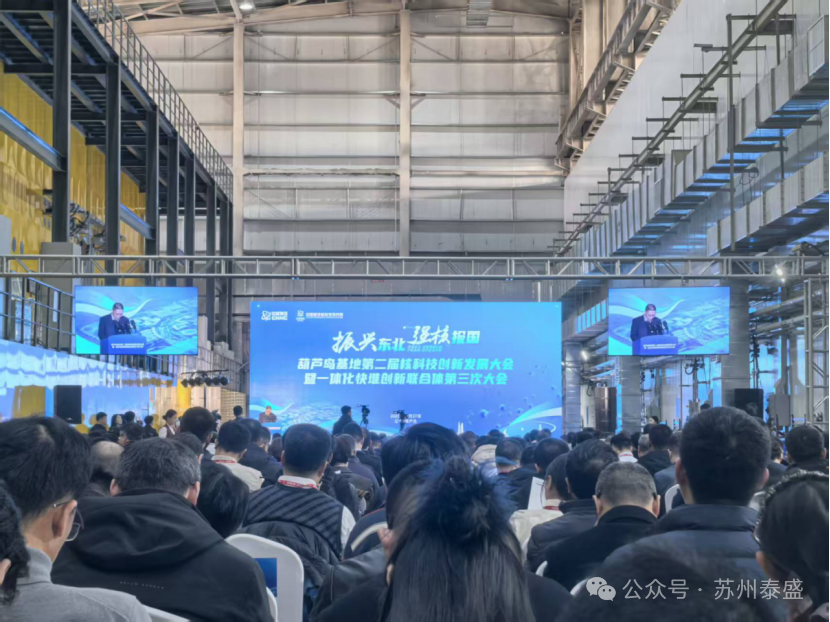
The conference concluded. Looking back over the whole event, the message of "innovation-driven and coordinated development" stands clear. As a member of the fast reactor alliance, I will carry forward the spirit of the conference to engage in joint research, help build the Huludao site into "China’s Nuclear Science Research Center", advance the commercial demonstration of integrated fast reactors, and contribute to building a strong nuclear nation and revitalizing Northeast China.
This gathering in Huludao bears witness to the solid progress of nuclear science and technology. Supported by the new whole-of-nation system and through joint efforts of the consortium, China’s nuclear energy sector promises a bright future.